Saturday, March 20, 2021

30 Moves to Make the Most of Your At-Home Workout


30 Moves to Make the Most of Your At-Home Workout

If the idea of a home workout makes you yawn, think again!

When executed correctly, using just your body weight can give you a run for your money.

So, whether the gym isn’t your thing or you’re short on time, clear out a space in the living room and prepare to sweat.

The 30 bodyweight moves we’ve detailed below can be scaled for beginner, intermediate, and advanced exercisers, so start where you feel ready and progress from there.

Our 10 picks for beginner bodyweight exercises will provide a full-body workout.

Complete 2 sets of 10 to 15 reps of each exercise, with 1 minute of rest between each move.

This circuit should take about 15 minutes — a great beginner routine.

Bridge

Activate your core and posterior chain (a fancy term for the backside of your body) with a bridge. This is a great exercise to use as a warmup.

Directions:

  1. Lie on your back with your knees bent, feet flat on the floor, and your arms extended by your sides.
  2. Pushing through your feet and bracing your core, raise your bottom off the ground until your hips are fully extended, squeezing your glutes at the top.
  3. Slowly return to the starting position and repeat.

Chair squat

Squat to strengthen your legs and core, which will make everyday movements easier. Starting with a chair underneath you will help you master proper form.

Directions:

  1. Stand in front of the chair with your feet shoulder-width apart, toes pointed slightly out.
  2. Hinging at your hips and bending your knees, lower back and down until your bottom touches the chair, allowing your arms to extend out in front of you.
  3. Push up through your heels and return to the starting position.

Knee pushup

A beginner-style pushup, this move will help you build strength before attempting a standard pushup.

Directions:

  1. Get into a high plank position from your knees.
  2. Maintaining a straight line from your head to your knees, bend your elbows to lower yourself down to the ground. Keep your elbows at a 45-degree angle.
  3. Push back up to start.

Stationary lunge

Hit your quads, hamstrings, and glutes with a stationary lunge.

Directions:

  1. Split your stance with your right leg in front. Your right foot should be flat on the ground, and your left foot should be up on its toes.
  2. Bend your knees and lunge, stopping when your right thigh is parallel to the ground.
  3. Push up through your right foot to return to the starting position. Repeat for desired number of reps, then switch legs.

Plank to Downward Dog

This move will test your upper body, especially your shoulders. Who says you need weights for a shoulder workout?

Directions:

  1. Get into a high plank position, with your hands stacked underneath your shoulders and your feet close together.
  2. Keeping your core engaged and your hands and feet stationary, pike your hips up and back into the Downward Dog pose. Your body should form a triangle with the ground. Keep your neck neutral. Your gaze should be directed toward your feet.
  3. Hold here for a second, then return to the plank. Repeat.

Straight-leg donkey kick

Build those glutes with donkey kicks.

Directions:

  1. Get on all fours, with your hands aligned with your shoulders and your knees aligned with your hips.
  2. Keeping your back straight, push your right foot out to the imaginary wall behind you while keeping your leg straight.
  3. Your foot should remain flexed (toes pointing down to the floor) throughout. Take care to keep your hips square to the ground. Squeeze your buttocks at the top.
  4. Return to the starting position. Repeat for the desired number of reps. Repeat on the other leg.

Bird Dog

A full-body move that requires balance and stability, the Bird Dog pose is easily scalable to your ability level. Start with this version if you’re a beginner.

Directions:

  1. Get on all fours, ensuring your hands are directly underneath your shoulders and your knees are underneath your hips.
  2. Keeping your neck neutral, simultaneously extend your left arm and right leg, keeping your hips square to the ground. Pause here for 2 seconds.
  3. Return to the start position. Repeat with your right arm and left leg.

Forearm plank

A full-body exercise that requires strength and balance, planks put the core into overdrive.

Directions:

  1. Assume a plank position on your forearms. Your body should form a straight line from head to feet.
  2. Ensure your lower back and hips don’t sag. Hold the position for 30 seconds to 1 minute.

Side-lying hip abduction

You may not think about strengthening your hip muscles until they start to bother you, but please reconsider!

This is especially the case if you sit all day. Counteracting that with hip-targeting movements will be very beneficial.

Directions:

  1. Lie on your left side, with your left leg straight, right leg straight, and right foot resting on the ground.
  2. Lift your right leg up, maintaining the position of your body. Make sure your hips don’t open up.
  3. Return to the start position. Repeat for the desired number of reps, then do the other side.

Bicycle crunch

Although you’ll work your core with almost all of these strength exercises, a targeted ab move doesn’t hurt.

Directions:

  1. Lie on your back and bring your legs to a tabletop position. Bend your elbows, and put your hands behind your head.
  2. Crunch up and bring your right elbow to your left knee, straightening your right leg.
  3. Release the crunch slightly. Bend your right leg and straighten your left leg, then bring your left elbow to your right knee.
  4. Repeat for the desired number of reps.
10 Foods That Reduce Back Pain & Actually Taste Delicious, Too


10 Foods That Reduce Back Pain & Actually Taste Delicious, Too

Chronic back pain is a royal pain in the butt — or, back, I guess. Despite the fact that it's a more invisible type of struggle to deal with, back pain can completely derail your life, keeping you from physical exercise that makes you feel good from head to toe, from spending time with the people you love, or even from getting a good night's sleep. Believe it or not though, there are actually plenty of foods that reduce back pain, and if you could solve your problems by eating some delicious foods, why wouldn't you?

When you think about using nutrition as a holistic, pain-fighting strategy, there's one main guideline that'll help make things as simple as possible: focus on anti-inflammatories. Countless foods, especially vegetables and fruit, are full of anti-inflammatory properties, which work to hit the sweet spot and reduce swelling. This, in turn, will help reduce your back pain, or any chronic pain you're having, for that matter.

Most of the foods that help fight chronic back pain could be easily assimilated into any diet, even if you're kind of a picky eater. In fact, I'm willing to bet you probably already have at least a few of these 10 foods lying around in your pantry or refrigerator, but you never knew until now that they could help with your back pain. Eat up, girl.

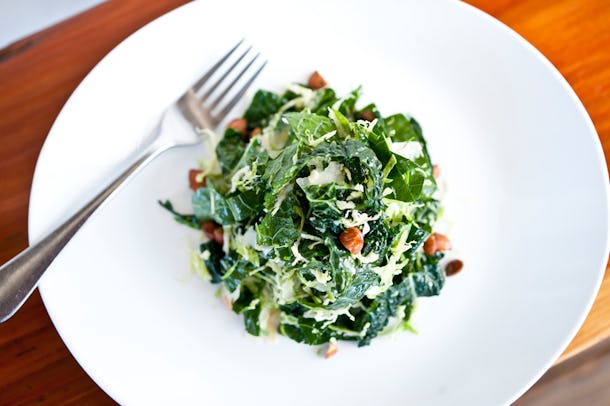
1. Kale

Lindsay Upson

Tons of veggies have anti-inflammatory properties, but in general, the greener the vegetable, the better off you — and your back — will be.

A kale salad is an easy way to throw some green into your life, or if you're like me and can't stand the way kale tastes, throw a handful into a smoothie. That way, you can reap the benefits and pretend you never ate it in the first place.

2. Olive Oil

Renata Dobranska

Olive oil has several proven health benefits, including its anti-inflammatory capabilities, and the fact that it's filled with antioxidants, one of which is something called oleocanthal, a chemical that's basically been shown to work like ibuprofen for pain in the body.

All you have to do is drink a cup or two of olive oil a day to reap the benefits! Just kidding. A drizzle onto your salad or your frying pan before you cook something will do the trick.

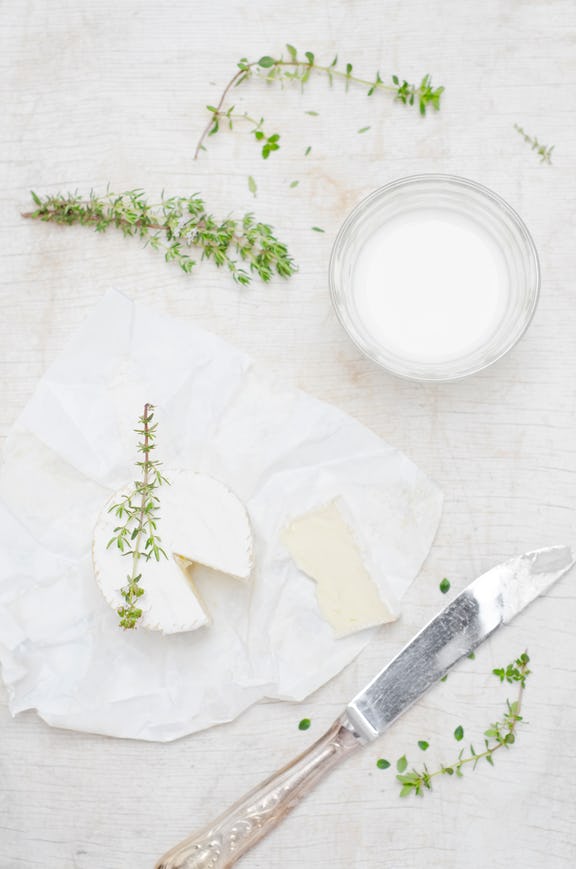
3. Milk, Cheese, And Yogurt

Lindsay Upson

In addition to looking for foods that have anti-inflammatory properties, you should also make sure your diet is filled with calcium to maintain and strengthen your bone mass. Dairy products like milk, cheese, and yogurt are all excellent sources of calcium.

If you're vegan or vegetarian, you can still get your calcium from soy milk, tofu, or orange juice.

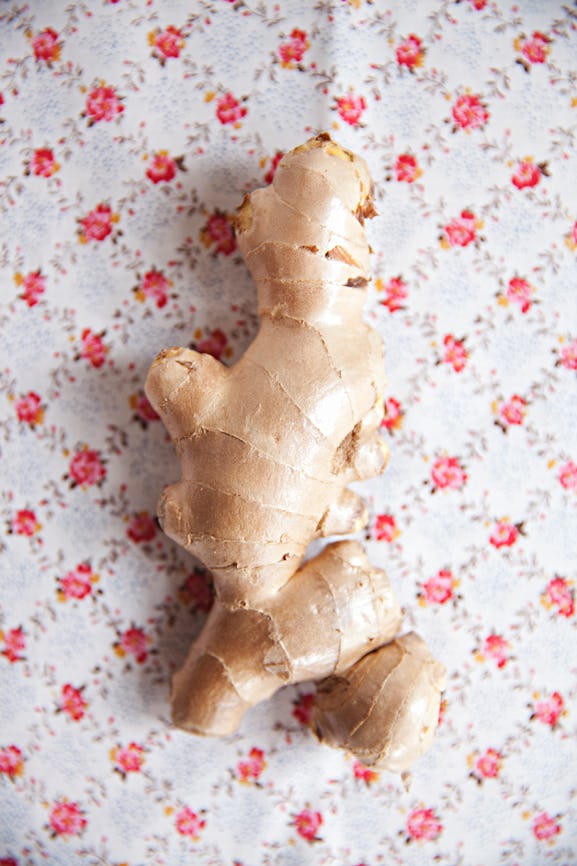
4. Ginger

Natalie Jeffcott

Ginger is the superfood to end all superfoods. It contains extremely powerful anti-inflammatories called gingerols (they clearly didn't work too hard on the name there, did they?), which have been proven to significantly reduce pain in arthritic individuals.

This is, in my opinion, an excellent reason to go out for sushi at least three to five times a week.

5. Salmon

Adrian Cotiga

Salmon is packed with the omega 3 fatty acid, a healthy fat known to help those living with chronic pain. This tasty fish also has calcitonin, which has been shown to reduce inflammation in joints.

OK seriously, who wants to go get sushi with me?

6. Turmeric

Natasa Mandic

Turmeric is a spice that's so popular, it practically has a cult following — and for good reason. The main active ingredient within turmeric is curcumin, which is an incredibly powerful antioxidant and anti-inflammatory agent.

Try this turmeric carrot ginger smoothie from The Minimalist Baker. Blend together a banana, some ginger, pineapple, turmeric, lemon, and carrot. Enjoy the color, then the taste.

And remember, when in doubt — say it with me now — throw it in a smoothie, and toss that sh*t back.

7. Coffee

Kelly Knox

Caffeine addicts, rejoice: Coffee contains anti-inflammatories such as polyphenols that work to reduce pain.

If you're like me, then coffee also has a magical tendency to make you feel like you're flying through the air with unicorn wings, which may help distract you from any pain you're feeling in the first place. Consider a cup (or two, or seven) a day to keep your back pain at bay.

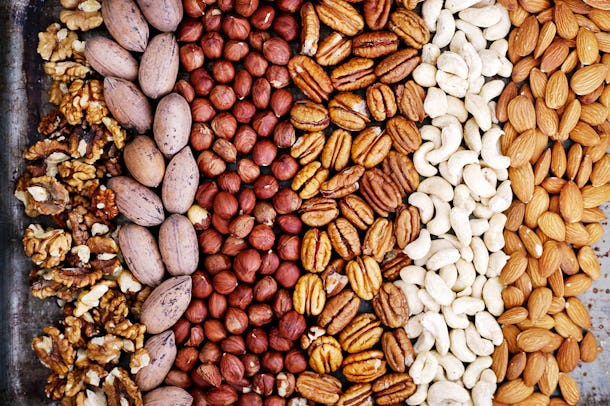
8. Nuts

Toma Evsiukova

Almonds, pecans, walnuts, and brazil nuts are all excellent nut options if you're looking for solid sources of anti-inflammatories.

I'm personally not a big fan of nuts, but I do actually crush walnuts and blend them into my smoothies in the morning. It helps build texture, and it's a great way to trick my body into eating something healthy that I don't normally like. (If you haven't noticed, my main strategy for sneaking food into my system is blending it into a juice and throwing it back. I highly, highly recommend it.)

9. Red Grapes

Tatjana Ristanic

Red grapes contain an anti-inflammatory called resveratrol, a compound also found in other berries and peanuts (but apparently not in green grapes), which has been found to fight pain.

Fun fact: Research has shown that combining resveratrol with turmeric enhances the overall anti-inflammatory benefits, although admittedly, it might force you to get a little more creative with your recipe ideas.

10. Thyme

Canan Czemmel

Thyme is an herb that will work a little differently to help you deal with chronic pain. Although scientists don't fully understand how it works, thyme can essentially reduce your perception of pain, acting as a natural painkiller.

Plus, it'll really elevate your dinner party game, so you can trick your friends into thinking you watch Food Network all day for the culinary tips, and not because your back hurts too much to do anything else.

7 FOODS YOU NEED TO BE EATING FOR SPINAL HEALTH


7 FOODS YOU NEED TO BE EATING FOR SPINAL HEALTH

Have you been experiencing spinal issues lately? Or are you looking for ways to prevent them? Believe it or not, the foods you eat can play a role in spine health.

Certain foods are packed with what your back needs in order to remain healthy and strong. So good back health can start with making the right food choices.

Avoiding bad foods is one way to increase health. Choosing the right ones is the best way to go.

What foods are best for spine health? Keep reading to find out. Here are eight foods that will help keep your spine strong and healthy.

1. Plant-Based Proteins

The proteins you get from certain plants are great for your spine health. These proteins are different than the ones found in meat.

Stick to plant-based proteins as much as possible. Animal-based proteins can lead to inflammation.

Instead, get your protein from foods like chia seeds, lentils, and beans. Not only do they provide protein, they pack a nutritional punch in other ways, too. You’ll get a variety of helpful antioxidants, fiber, vitamins, and minerals as well.

If you’d still like to get some animal-based protein in your diet, go for lean picks. This means choosing chicken and fish over beef and pork.

2. Vegetables

Vegetables are good for you in general, so make sure you get a lot of them each day to improve your overall health. While healthy all around, veggies are also great for fighting back issues.

Certain vegetables contain properties that will help fight spinal issues.

Kale, broccoli, and spinach work well against inflammation. Each of these vegetables also contains nutrients that will help strengthen your spine. As the literal backbone of your body’s skeletal system, your spine can use all the nutritional help it can get.

As a rule of thumb, veggies with strong natural pigments are best.

3. Salmon

If you’re not opposed to seafood, add some salmon to your diet regularly. Salmon is a great source of lean protein, as well as well as another helpful nutrient: omega-3 fatty acids.

Omega-3 fatty acids promote bone and tissue health. They also fight against inflammation, just like those leafy green vegetables mentioned above.

Luckily, salmon is versatile and tasty when prepared the right way. There are plenty of fantastic salmon dishes for you to try. They’ll spice up your menu and benefit your back at the same time.

4. Dairy Products

Calcium is super important for maintaining and improving bone health. The easiest way to get extra calcium in your diet without taking a supplement? Increase your dairy intake.

Don’t choose just any dairy products, though. Specifically, go for the ones that are high in calcium. Cheese, milk, and yogurt all fall into this category.

Like with many other food groups, though, you can overdo it with dairy. Don’t binge on your favorite cheese with the excuse of needing the extra calcium. Be smart about how you eat dairy products so you don’t get too much fat or cholesterol in your diet.

Calcium can be found in other foods, too. Among them are those leafy green vegetables we’ve already talked about.

5. Herbs and Spices

Many herbs and spices are great for promoting spinal health. Turmeric, a spice commonly used in Indian cuisine, including curry dishes, helps fix damaged tissue.

There are herbs that fight inflammation as well. These include cinnamon, rosemary, basil, and ginger.

Add these and other healthy spices and herbs to your recipes throughout the day. Or use them to create a healthy, delicious herbal tea. Herbal teas help strengthen your immune system, reduce inflammation, and taste great at the same time.

6. Fruits

Just like vegetables, you should go for the highly-pigmented types here. And like dairy, you don’t want to overdo it. Remember, fruit is sugar, so eating too much can be more of a detriment to your health than a benefit.

While you need to be responsible when eating fruits, they have many health benefits.

Berries are particularly great for your spinal health. They’re packed with antioxidants and nutrients that will help your spine get and stay healthy.

So add those berries to breakfasts, dinners, lunches, you name it. You can even use them as dessert.

7. Avocados

Whether you’re a fan of avocados or not, they’re great for your spine. They’re full of healthy fats that your body needs as well as fiber and potassium. These things make avocados great for your health overall.

Whether it’s good fat or not, avocados are fatty foods, so make sure you don’t overdo it.

If you don’t like avocados, try using them in ways you haven’t before. In recent years tons of recipes have emerged for avocado toast, addition to a smoothie and other tasty meals. You don’t have to limit yourself to a plain slice with a salad or a guacamole dip.

One of the greatest things about avocados? They help to reduce back pain.

Eat Your Way to Great Spine Health

Exercises and medicine may be your first thoughts when it comes to remedies for spinal issues, but you can eat your way to good health too. You just have to choose foods that are great for your body, particularly for your spine.

Spinal health is so important for your day-to-day interactions. So give yourself a leg up by packing your diet with these seven healthy foods. They’ll help improve your spine health, as well as your health overall.

What You Eat May Help Beat Back Pain


What You Eat May Help Beat Back Pain

Consider eating an anti-inflammatory diet and taking calcium supplements to relieve back pain.

back pain diet
Eat anti-inflammatory foods to beat back pain.Getty Images

Could what you eat be contributing to your back pain? Maybe. Many foods have been shown to reduce (or increase) inflammation, a known cause for back pain. So when you have back pain, changing your diet may help you avoid it.

"Left unchecked, inflammation will run rampant through your body, causing all kinds of problems, including low-back pain," says Michael Perry, MD, chief medical director and co-founder of Laser Spine Institute, which has seven surgical centers across the country.  That’s why creating an anti-inflammatory diet with foods that help you maintain good nutrition is important to managing back pain.

If you’re prone to back pain, consider these diet tips:

Eat Your Veggies to Fight Back Pain

A mostly plant-based diet that includes such things as flax and chia seeds, is probably your best bet to avoid inflammation, especially when eaten in combination with omega-3-rich coldwater fish like salmon, mackerel, sardines, herring, black cod, tuna, and trout.

"Deeply colored fruits and vegetables are a key part of an anti-inflammatory diet," says Dana Greene, MS, RD, LDN, a nutritionist in Brookline, Massachusetts. If you’re looking for foods that reduce back pain and are loaded with nutrition, try carrots, beets, sweet potatoes, cherries, berries, grapes and red wine, pomegranate, and watermelon, she says. Herbs and spices, including basil, cinnamon, ginger, rosemary, garlic, curcumin, onions, oregano, and turmeric tend to be especially rich in anti-inflammatory agents, so season generously. Also, drink healthy herb teas and true teas (green, oolong, and white).

Dr. Perry adds that olive oil, green tea, and brightly colored fruits and vegetables have all been shown to reduce inflammation in cartilage in the spinal column, which helps to control back pain and stiffness. When eating vegetables, think the greener the better, he says. Kale, spinach, and broccoli are all list-toppers for an anti-inflammatory diet with back-pain-fighting properties. 

Other good food choices for an anti-pain diet: avocados; nuts (walnuts, almonds, pecans, and Brazil nuts); lean proteins, such as chicken and turkey; beans; and cocoa.

Avoid These Foods to Reduce Pain

Robin Barrie Kaiden, RD, CDN, a registered dietitian at Robin Barrie Nutrition in New York City, says that some people avoid nightshade vegetables (tomatoes, eggplant, white potatoes, and peppers) as part of an anti-inflammatory diet. "No research supports this, however," she says. "To find out if these vegetables contribute to inflammation in your body, don't eat them for two weeks and see if your symptoms disappear — just like you should do with any other potentially sensitive food." Always talk to your doctor or a registered dietitian when making changes to your diet. 

Other foods to avoid? Processed foods, fast foods, and saturated fats. All of these fuel inflammation. This includes white bread, pasta, rice, sugary drinks and snacks, fried foods, and anything with partially hydrogenated oil in the ingredients, often found in preservative-packed products with a long shelf-life, such as chips, crackers, and pastries. (Opt for poly- or monounsaturated oils, such as canola or olive oil, when cooking.). Stay away from caffeine and alcohol as well, Perry says.

The Calcium Factor

Another way to keep back pain at bay is to make sure you're getting enough of the right nutrients, such as calcium and vitamin D. Bone is the body’s storage reservoir for calcium. "As you age, it is hard to maintain bone mass, which can lead to such conditions as osteopenia or osteoporosis," Perry says. "These diseases can weaken the vertebrae in your spine. Calcium contributes to bone mass, helping you avoid those conditions." 

A 2010 report from the Institute of Medicine (IOM) gave new guidelines for daily calcium supplementation. These definitions are commonly referred to as the recommended daily allowance. According to the IOM, you shouldn't consume more than 2,000 milligrams of calcium a day (either through foods or supplements), says Kenneth Hansraj, MD, chief of spine surgery at New York Spine Surgery and Rehabilitation Medicine in Poughkeepsie, New York.

"Gone are the days when more is better," Dr. Hansraj says. Studies show that if you take a high dose of calcium supplements, you increase your risk for heart problems and atherosclerosis, which involves plaque forming in your arteries. Consuming too much calcium can also cause bone fractures.

Calcium should come from natural sources, Hansraj says. Natural food sources for calcium include yogurt, milk, and cheese, as well as leafy green vegetables. If you're not able to obtain enough calcium from your diet, then talk to your doctor about whether supplements are right for you. Teens, for instance, require 1,300 mg of calcium a day and older people about 1,000 mg daily, he says, but "do not supplement more than 500 mg a day.” Instead, Hansraj suggests trying to get more calcium from your diet.

Nick Shamie, MD, an associate professor of spine surgery at UCLA in Los Angeles and a spokesperson for the American Academy of Orthopaedic Surgeons, adds a word of caution: When fractures occur, just using calcium supplements is not enough. "Consult an orthopedic surgeon and musculoskeletal specialist to devise a complete medical plan to deal with your condition," Dr. Shamie says. "This regimen may include medications, such as bisphosphonates that help build bone, and regular exercise."

Additional reporting by Denise Mann.

GOOGLE ADS